
He AIS (Automatic Identification System) It is a maritime communication system that allows ships to exchange real-time information about their position, course, and speed. Its main objective is to improve navigational safety, facilitate maritime traffic control, and reduce the risk of collisions.
Today, AIS is a fundamental tool in both professional and recreational navigation, especially in areas with high traffic density.
How does AIS work?
The system uses VHF radio signals to automatically transmit data between vessels and coastal stations. Each ship equipped with AIS transmits periodic information that can be received by other nearby vessels and control centers.
The transmitted data includes:
- Ship name and MMSI number.
- Real-time GPS position.
- Speed and direction.
- Type of vessel.
- Destination and estimated time of arrival (in some cases).
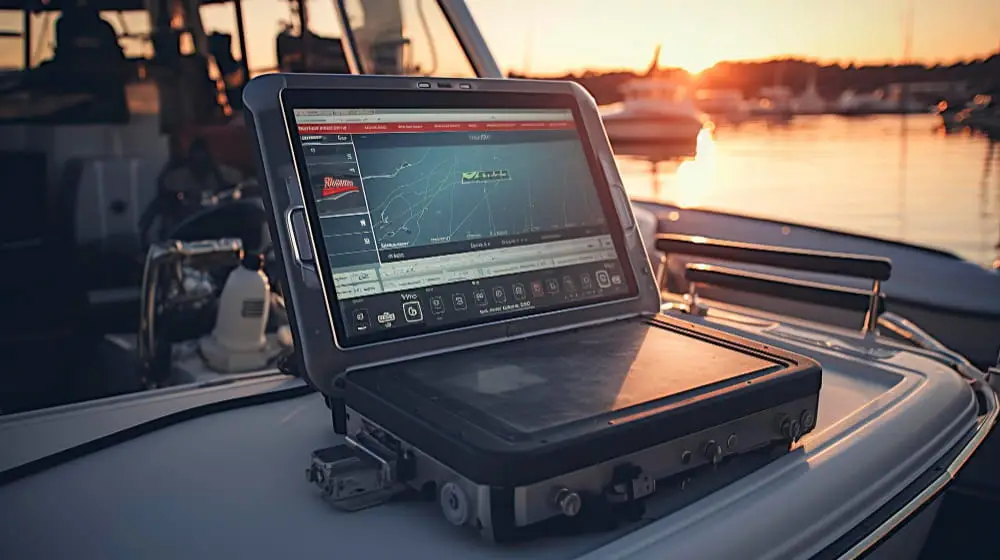
This information is displayed on compatible screens, such as plotters or integrated navigation systems.
What is the purpose of AIS on a ship?
Its usefulness goes far beyond "seeing other ships". Among its main functions are:
1. Collision prevention
It allows the identification of nearby vessels, even in low-visibility conditions such as fog or during nighttime navigation. The system displays trajectories and facilitates proactive decision-making.
2. Maritime traffic control
Port authorities use AIS to monitor movements in ports and shipping channels, organizing transit safely and efficiently.
3. Location and tracking
In an emergency, AIS helps to quickly identify a vessel's location. It is also used for logistical tracking and fleet management.
4. Greater situational awareness
The skipper can know the maritime environment with greater precision, including vessels that are not visible to the naked eye.
Types of AIS
There are mainly two types of devices:
| Guy | Regular use | Characteristics |
|---|---|---|
| Class A | Commercial ships | Higher power and transmission frequency |
| Class B | Recreational boats | Lower power, more affordable |
Merchant ships of a certain tonnage are required by international regulations to carry Class A AIS, while in sports boats it is usually optional, although highly recommended.
Is it mandatory to carry AIS?
In international commercial shipping, yes. The SOLAS regulations (International Convention for the Safety of Life at Sea) require their installation on certain ships.
It is not always mandatory on recreational boats, but it is considered a significant improvement in terms of safety, especially on long voyages or in areas of heavy traffic.
System limitations
Although AIS is a very useful tool, it does not replace radar or visual surveillance. Some small vessels may not have it installed, and the system depends on the proper functioning of the equipment and the GPS signal.
Therefore, it should be understood as a complement within a comprehensive navigation system.
Essential technology for security
AIS is an essential technology for improving safety and efficiency in maritime navigation. It allows real-time tracking of the position and characteristics of other vessels, facilitating informed decisions and reducing risks.
Whether for professional or recreational use, this system provides peace of mind and greater control over the maritime environment. Integrated with other navigation instruments, it becomes a key tool for safer navigation.