In the maritime field, there are technical concepts that, although not always known to the general public, are fundamental to the safety of ships and the people who travel or work on them. One of these concepts is freeboard, an essential element in the design, operation and regulation of any vessel.
Freeboard is not just a technical measurement or just another piece of information in the ship's documentation. It is a direct indicator of its ability to navigate safely in different conditions, its stability and its margin in the face of adverse situations such as waves, overloading or water ingress. Understanding what freeboard is and why it is so important helps to better understand how safety is ensured at sea.
What is freeboard and how is it defined?
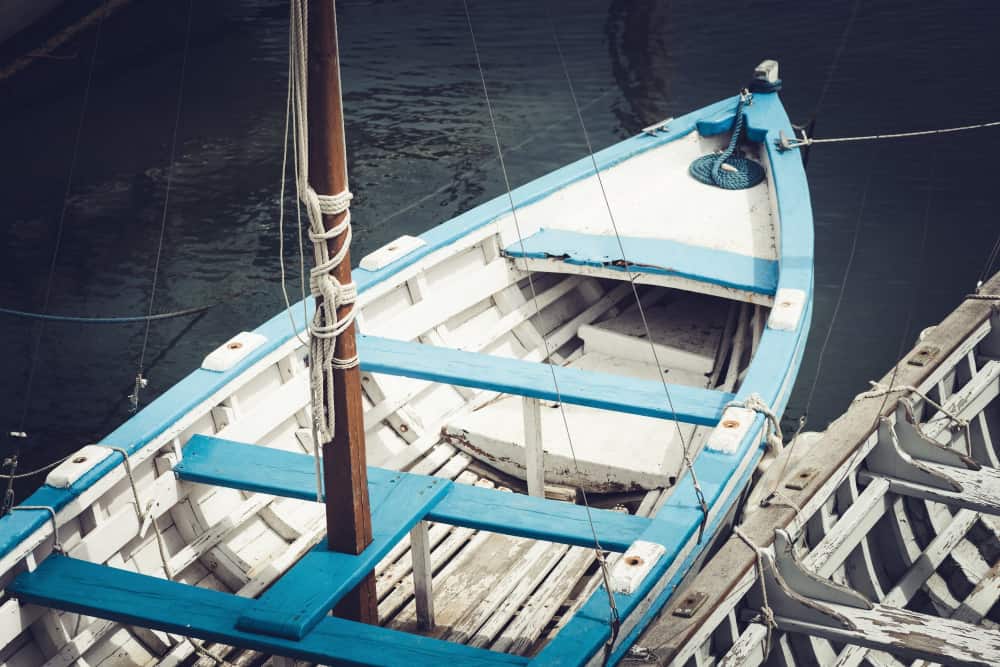
Freeboard is defined as the vertical distance between the waterline and the main deck of the ship. In simple terms, it is the part of the hull that remains visible above the waterline when the vessel is loaded according to the established conditions. This distance is not arbitrary, but rather It is carefully calculated based on multiple factors such as the type of vessel, its size, its use and the expected sailing conditions.
In practice, the freeboard acts as a safety margin. The greater this distance, the greater the ship's ability to prevent water from reaching the deck in rough seas. Insufficient freeboard increases the risk of water easily entering the vessel, compromising stability and buoyancy.
To ensure that ships respect the appropriate values, there are visible markings on the hull known as freeboard marks or loading marks. These indicate the maximum load capacity of the vessel under different conditions, such as salt or fresh water, and in different seasons. Thus, Freeboard is not just a theoretical concept, but a practical and verifiable element.
The relationship between freeboard, stability, and buoyancy
Freeboard is directly related to a vessel's stability. A vessel with adequate freeboard has a greater capacity to recover. its position after a list caused by wind, waves or a sudden maneuver. This is because the additional height of the hull provides a greater volume of buoyancy reserve.
The buoyancy reserve is the volume of the vessel that remains above water and that can be used if part of the hull floods. The greater this reserve, the more margin there is to deal with emergency situations without the vessel losing its ability to stay afloat. A reduced freeboard limits this reserve and This makes any water ingress have a faster and more dangerous impact.
Furthermore, freeboard influences how a vessel behaves in waves. A vessel with low freeboard is more prone to taking on water on deck, which not only increases weight and reduces stability but can also affect equipment, cargo, and personnel. Conversely, Sufficient freeboard contributes to safer and more predictable navigation, even in adverse weather conditions.
Why freeboard is key to maritime safety
The importance of freeboard for maritime safety is such that it is regulated by international conventions. International Convention on Load Lines, The International Maritime Organization's freeboard convention establishes the criteria for determining the minimum freeboard required for each vessel. These standards aim to prevent accidents resulting from overloading and to ensure that vessels maintain an adequate level of safety at all times.
Properly respected freeboard reduces the risk of flooding, improves stability, and increases the vessel's chances of survival in extreme situations. Conversely, sailing with a freeboard lower than the established limit, whether due to overloading or poor weight distribution, It significantly increases the risk of serious accidents, such as excessive listing or even sinking.
From an operational standpoint, freeboard also influences cargo planning and decision-making during navigation. Captains and operators must consider this factor to adjust cargo, fuel consumption, and planned routes. Thus, freeboard becomes a key tool for managing risk and ensuring the safety of both the vessel and its crew. Understanding what freeboard is and why it is crucial helps to appreciate the importance of maritime regulations and safety-oriented naval design. In an environment as demanding as the sea, small margins can make a big difference, and freeboard is one of the most important.