
The buoyancy it's a fundamental principle in navigation, given that allows vessels to stay afloat and move through the water efficiently. Understanding this concept is essential for those who study and practice nautical science, as it is a determining factor in the design and operation of ships, yachts and other floating structures. Learn in depth what buoyancy is in the following article Anclademia.
The principle of buoyancy
To understand what is buoyancy, It is important to know the Archimedes' principle, which establishes that A body totally or partially submerged in a fluid experiences an upward thrust equal to the weight of the displaced fluid.This principle explains why ships, despite their great weight, can stay afloat.
Types of buoyancy
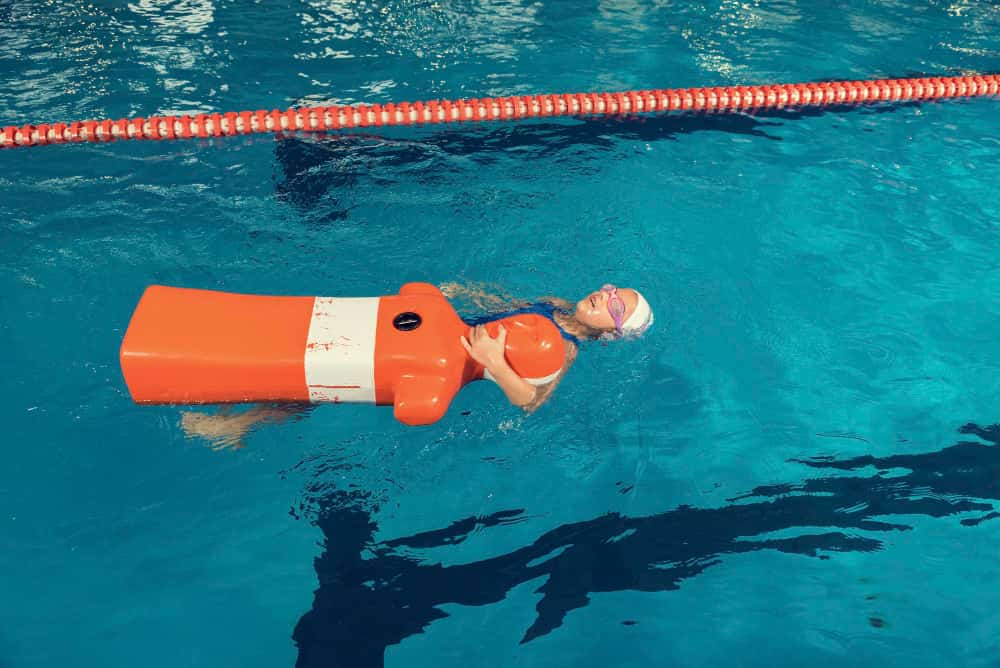
exist two main types of buoyancy: the positive and the negative. The positive buoyancy occurs when the upward thrust is greater than the weight of the object, allowing it to remain on the surface. On the other hand, the negative buoyancy It occurs when the weight of the object is greater than the upward thrust, causing its sinkingIn navigation, we also speak of neutral buoyancy when the weight of the object is equal to the upward thrust, placing it in balance in the water.
Buoyancy and stability
He concept of buoyancy is also rrelated to the stability of a vessel. A stable vessel is that which, After being tilted by waves or wind, it returns to its original position. This stability It is due to the center of gravity and the center of flotation of the ship. If the center of gravity is too high, the boat can easily capsize. Therefore, naval designers work to optimize the weight distribution to ensure safe navigation.
Factors influencing buoyancy
The A boat's ability to float depends on several factors, among them design, weight and the amount of water it displacesBoats are designed with V-shaped, U-shaped, or flat hulls, depending on the type of sailing they do. A well-designed hull will allow for greater stability and lower energy consumption while moving.
In addition, the building materials of the vessels also influence their buoyancy. Traditionally, boats were made in wood, a naturally buoyant material. However, currently they use metals such as steel and aluminum, as well as composite materials such as fiberglassAlthough these materials are denser than water, their structural arrangement and the helmet design allow the boat to displace enough water to stay afloat.
Another additional factor that influences the buoyancy of a boat is the burden. Each ship has a maximum load capacity, which should not be exceeded To avoid stability problems. If a boat is overloaded, its waterline will sink too far, increasing the risk of sinking, especially in rough sea conditions. Captains and crews must know the load limits of their vessels and distribute weight evenly to maintain proper balance.
Safety in navigation
Another important aspect of buoyancy is the safety in case of emergency. Modern vessels are equipped with watertight compartments and additional buoyancy systems which allow the boat to remain afloat even if water enters some of its compartments. In addition, the life jackets and the inflatable rafts They are designed with high buoyancy materials to ensure the safety of the crew in the event of a shipwreck.
We can say that the buoyancy it's a essential principle in navigation and vessel designUnderstanding how this phenomenon works can improve the safety and efficiency of any type of vessel. From hull design to load distribution, all aspects related to buoyancy must be considered to ensure safe and effective navigation. For nautical enthusiasts, understanding these basic principles is the first step toward becoming experts in the maritime world.